
Umrah for Women: A Practical Guide for Sisters Travelling from Britain

Written by Jack Devis
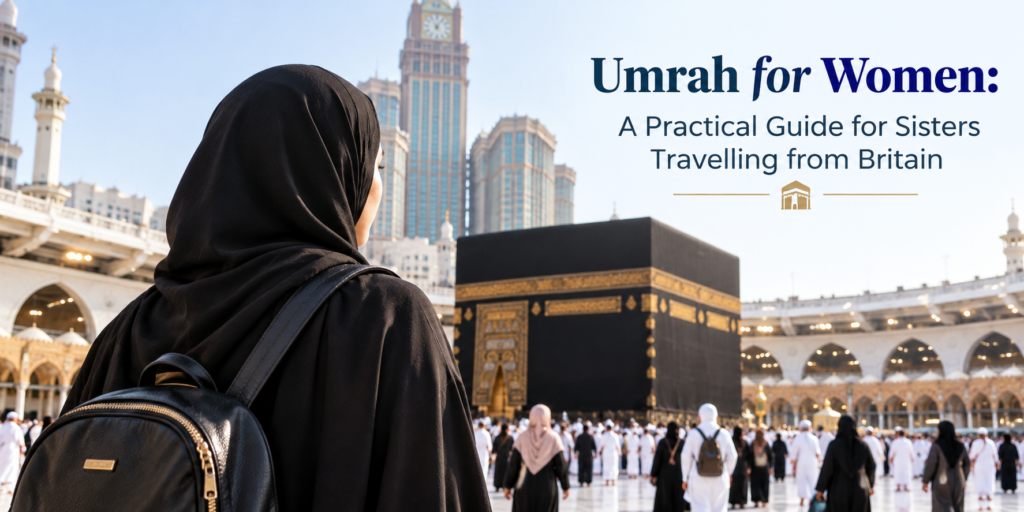
Most Umrah guides are written as if every pilgrim is the same. They explain the rituals step by step, tell you what to pack and which hotel to choose, and leave it there. But women going on Umrah often have questions that those guides skip over. What should I wear in Ihram? What happens if my period starts? Can I travel without a mahram? When can I visit the Rawdah?
This guide tries to answer those questions in plain language, for sisters travelling from the UK, whether they’re going with family, with a husband or in a group. Many women book all inclusive umrah packages from uk agents offer because having flights, hotels, transfers and a group leader arranged in one place makes things much easier. Even so, there are matters only you can prepare for. Where questions of fiqh come up, scholars don’t always agree, so it’s wise to speak to a scholar you trust about your own situation.
Clothing and Ihram
Unlike men, women don’t wear a special two-piece garment for Ihram. You enter Ihram in your ordinary clothes, as long as they’re loose, modest and cover the whole body apart from the face and hands. White isn’t required, although many women choose light colours because they’re cooler.
According to the majority of scholars, a woman in Ihram shouldn’t wear a niqab or gloves. Many women who normally cover their face lower a piece of cloth from their head covering when men are nearby. Perfume isn’t allowed once you’re in Ihram, so switch to unscented soap, shampoo and deodorant.
Practical tips for clothing:
- Pack several light abayas or long dresses in breathable fabrics.
- Choose a headscarf that stays in place without pins slipping, as you’ll be walking and moving through crowds.
- Take a light cardigan. The mosques and hotels can be very cold inside.
- Wear comfortable, worn-in footwear. You’ll walk a long way every day.
The mahram question
Traditionally, women have travelled for Umrah with a mahram, a close male relative such as a husband, father, brother or adult son. In recent years, Saudi Arabia has changed its rules, and adult women can now generally obtain a visa and perform Umrah without a mahram, often as part of an organised group.
The religious question is separate from the legal one, and opinions differ. Some scholars hold that a mahram is still required. Others allow a woman to travel in a safe, trustworthy group of women. If this applies to you, discuss it with a scholar you trust before booking, and ask your travel agent how they arrange rooms and support for women travelling without a mahram.
If your period starts
This is one of the most common worries, and it’s good to know the basics before you go. A woman on her period can enter Ihram and stay in Ihram. She can make dua, do dhikr and listen to the Quran. What she can’t do is pray or perform Tawaf until her period has ended and she has had a full bath (ghusl).
In practice, this means you may need to wait before completing your Umrah. If your trip is long enough, this usually isn’t a problem. If it’s short, it’s worth thinking about the timing when you book, or leaving a few spare days in Makkah.
Some women speak to their GP about medication to delay their period during the trip. This is a personal and medical decision. Talk to your doctor well before you travel, and to a scholar if you have questions about the religious side.
Tawaf and Sa’i
The rituals of Umrah are the same for men and women, with small differences. Women don’t walk briskly in the first three rounds of Tawaf, as men do, and they don’t run between the green lights during Sa’i. They walk at a normal pace throughout.
The area closest to the Kaaba gets extremely crowded. Many women find it easier and safer to do Tawaf a little further out, or on one of the upper floors, especially at busy times. Try to go at quieter times, such as after Fajr or late at night, and stay close to your group.
Cutting the hair
To finish Umrah, women don’t shave or cut short their hair. Instead, they trim a small amount, about the length of a fingertip, from the end of the hair. It’s best to do this privately, in your hotel room, rather than outside the mosque. Pack a small pair of scissors for the purpose.
Visiting the Rawdah
In Madinah, the Rawdah, the area of the Prophet’s Mosque between his grave and his pulpit, has separate visiting times for women. Visits are booked through the official Nusuk app, and slots can be hard to get at busy times, so try to book as soon as your dates are confirmed. Women’s visits are usually well organised, with female staff guiding groups in and out.
Travelling with young children
Many mothers take babies and young children on Umrah. It’s very rewarding, but it needs extra planning. A lightweight pushchair helps in the hotel and the streets, although you may not be able to take it into every part of the mosque. Plan Tawaf for quieter times, take turns with your husband or another adult so one of you can rest, and keep snacks, water and a change of clothes with you at all times. A hotel close to the Haram makes a huge difference when you have small children.
Thinking ahead to Hajj
For many women, Umrah is the first step towards Hajj. If that’s your hope, it helps to know how Hajj booking works now. People searching for Cheap Hajj Packages are often surprised to learn that pilgrims from the UK must now register through the Saudi government’s official Nusuk Hajj platform. Places are limited by a national quota, and registering doesn’t guarantee one. Women who want to apply should check the current rules on mahram and groups at the time of registering, as these have changed in recent years. Always check the official Nusuk Hajj website and GOV.UK, and be wary of anyone offering guaranteed places outside the official system.
Health and safety tips
- Get your meningitis ACWY vaccination at least ten days before you travel.
- Keep sanitary products in your hand luggage, along with any medicines you need.
- Carry a card with your hotel’s name and address, and agree a meeting point with your group.
- Keep your phone charged, and save your group leader’s number at the top of your contacts.
- Drink water regularly and rest during the hottest part of the day.
- Use a cross-body bag for your phone and money in crowded areas.
A final word
Women have been making this journey since the earliest days of Islam. Hajar, the mother of Ismail, ran between Safa and Marwa searching for water for her son, and every pilgrim who performs Sa’i today follows in her footsteps. Prepare well, ask the questions that matter to you, and don’t let worries about the practical details take away from the meaning of the trip. With a little planning, Umrah can be one of the most peaceful and rewarding experiences of your life.
Enjoyed Reading? Wait! There’s More For You.
Umrah for Women: A Practical Guide for Sisters Travelling from Britain
H1: Business Logo Design: How to Create a Logo That Actually Works for Your Brand
Peptide Education: A Complete Guide to Learning Peptide Science
Creative Custom Happy Meal Box Designs For Your Business
Donut Boxes: Essential Packaging for Freshness and Branding
How a Shopify Web Development Company Can Solve Your Store Challenges
Written by Jack Devis
Meet Jack, a creative writer behind SonicMenuGuide.com. With a deep love for fast food, Jack enjoys scrabbling into the world of Sonic cuisine. Now, passionately sharing his unique experience and helping others to discover the hidden gems of Sonic. With a keen commitment to analyzing ingredients, pricing, and calorie information, Jack’s Write ups empower you to make informed choices.