
10 Saudi Foods Every Umrah Pilgrim Should Try in Makkah

Written by Jack Devis
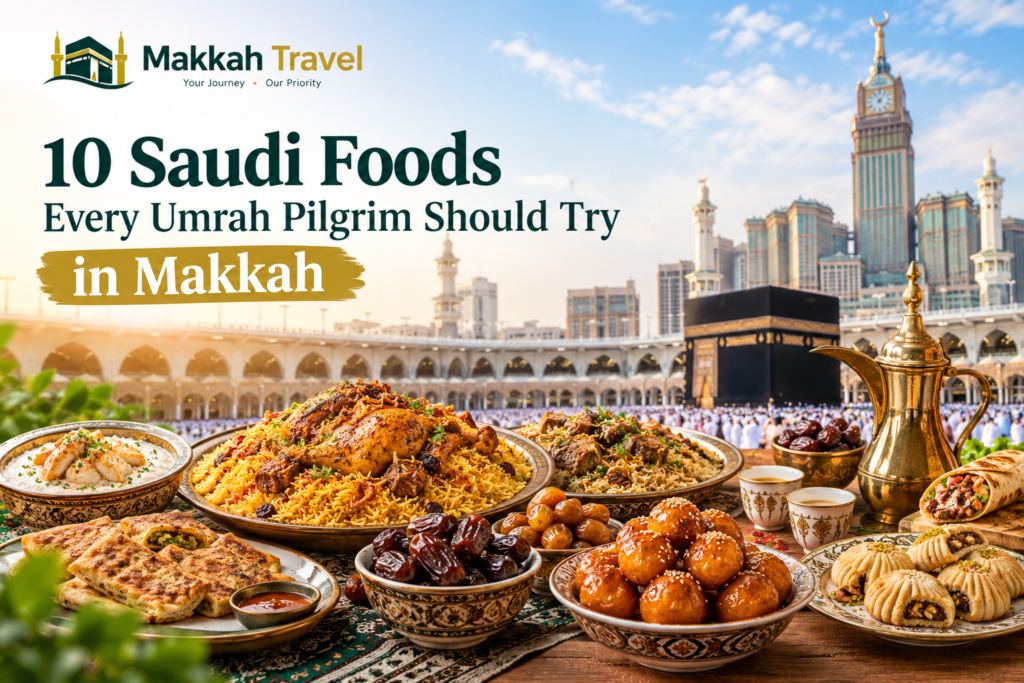
Planning your Umrah journey from the United States in 2027? Along with preparing for your spiritual journey, booking flights, and choosing a hotel near Masjid al-Haram, exploring Saudi Arabia’s traditional cuisine can make your visit even more memorable. From fragrant rice dishes and tender meats to sweet Arabian desserts and traditional coffee, Makkah offers a variety of flavors that reflect the Kingdom’s rich culture and hospitality.
Planning your meals and cultural experiences is a great way to make your trip to Saudi Arabia more memorable. Whether you’re traveling from New York, Chicago, Houston, Los Angeles, or another US city, choosing the right accommodations, flights, and transportation can make your pilgrimage more comfortable. Exploring available Umrah Packages 2027 can help you organize these essential travel arrangements while leaving time to enjoy local cuisine and cultural traditions during your stay.
Here are 10 Saudi and popular Arabian foods every Umrah pilgrim should try while visiting Makkah.
1. Kabsa – Saudi Arabia’s Signature Rice Dish
Kabsa is one of Saudi Arabia’s most famous traditional dishes. It features long-grain rice cooked with tomatoes, aromatic spices, and flavorful broth, usually served with chicken or lamb.
Cardamom, cinnamon, cloves, and dried black lime give Kabsa its distinctive aroma. It is often served on a large platter, making it ideal for sharing with family and fellow pilgrims.
After a busy day of worship and walking around Masjid al-Haram, Kabsa is a satisfying meal. You can find it at traditional restaurants throughout Makkah, with options for different budgets.
Why try it? Kabsa is an excellent introduction to Saudi cuisine and a must-try for rice lovers.
2. Mandi – Tender Meat and Fragrant Rice
Mandi originated in Yemen but has become a favorite throughout Saudi Arabia. This popular Arabian dish typically consists of slow-cooked chicken or lamb served over seasoned rice.
Traditional cooking methods give the meat a tender texture and distinctive aroma, while the rice absorbs the flavors of the broth and spices. Mandi is often served in generous portions, making it a great choice for families and groups.
Why try it? Mandi combines tender meat and flavorful rice for a hearty meal after a day of pilgrimage activities.
3. Mutabbaq – A Popular Saudi Street Food
Mutabbaq is a stuffed, pan-fried pastry popular in Saudi Arabia and other parts of the Arabian Peninsula. It is commonly filled with minced meat, eggs, onions, and spices before being folded and cooked until golden.
Its crispy exterior and savory filling make it a convenient choice for a quick lunch or snack. You can find Mutabbaq at local eateries and street-food outlets around Makkah.
For pilgrims following a busy schedule, it offers a convenient way to sample local flavors without spending too much time at a restaurant.
Why try it? Mutabbaq is tasty, filling, and ideal when you want something different from traditional rice dishes.
4. Saleeg – A Traditional Hejazi Dish
Saleeg is a comforting rice dish associated with the Hejaz region of western Saudi Arabia. It is prepared by cooking rice in broth and milk until creamy, then serving it with roasted or boiled chicken.
Unlike Kabsa and Mandi, Saleeg has a mild flavor and soft texture. It can be a good choice for travelers who prefer less heavily seasoned meals or want to explore regional Saudi cooking.
Why try it? Saleeg offers a taste of traditional Hejazi cuisine and a comforting alternative to spiced rice dishes.
5. Jareesh – Traditional Saudi Comfort Food
Jareesh is a traditional Saudi dish made from crushed wheat slowly cooked with ingredients such as broth, onions, yogurt, and spices. Some recipes also include meat.
The cooking process gives Jareesh a thick, soft consistency and a savory flavor. Although it may be less familiar to American visitors than rice-based meals, it offers an opportunity to discover another side of Saudi cuisine.
Look for it at restaurants specializing in traditional Saudi food.
Why try it? Jareesh introduces you to Saudi home-style cooking and the country’s rich culinary heritage.
6. Shawarma – A Quick Meal Between Activities
Shawarma is a popular Middle Eastern street food widely available throughout Makkah. Seasoned chicken or beef is cooked on a rotating spit, sliced thinly, and wrapped in flatbread.
Common toppings include garlic sauce, vegetables, and pickles. Shawarma is particularly convenient when you need a quick meal between prayers, shopping, and other activities.
Choose a clean, reputable restaurant and check ingredients if you have food allergies or dietary restrictions.
Why try it? Shawarma is flavorful, convenient, and often an affordable option for pilgrims with busy schedules.
7. Saudi Dates – A Meaningful Traditional Favorite
Dates hold a special place in Saudi Arabian culture and Islamic tradition. They are widely available in Makkah, from local markets and specialty shops to supermarkets and gift stores.
Popular varieties include Ajwa, Safawi, and Sukkari, each offering a different flavor, sweetness, and texture. Ajwa dates are particularly associated with Madinah, while other varieties are also enjoyed throughout Saudi Arabia.
Pilgrims can enjoy dates as a snack or purchase attractive packages as gifts for family and friends back home. Compare freshness, quality, and prices before buying. If you plan to bring dates to the United States, check current US import requirements.
Why try them? Dates are an important part of Saudi food culture and make a meaningful souvenir from your pilgrimage.
8. Luqaimat – Sweet Arabian Dumplings
Luqaimat is a popular Arabian dessert consisting of small dough balls fried until golden and usually drizzled with date syrup or sugar syrup. Sesame seeds may also be added.
These dumplings have a crisp exterior and a soft center, making them a delicious treat after a meal. You may find them at traditional dessert shops, restaurants, and food stalls.
Try a freshly prepared serving during your stay and share it with family or fellow pilgrims.
Why try it? Luqaimat is a delicious introduction to traditional Arabian desserts and a fun treat for the whole family.
9. Ma’amoul – Traditional Date-Filled Pastries
Ma’amoul is a popular Middle Eastern pastry enjoyed in Saudi Arabia and throughout the region. These small cookies are generally made with semolina or flour and filled with dates, pistachios, or walnuts.
Their delicate texture and rich filling make them a great accompaniment to tea or Arabic coffee. Date-filled Ma’amoul is especially worth trying if you enjoy traditional sweets.
You can find Ma’amoul in bakeries, specialty sweet shops, and supermarkets around Makkah. Packaged varieties are also convenient gifts to bring home.
Why try it? Ma’amoul combines traditional flavors with convenience, making it both a satisfying snack and a thoughtful gift.
10. Saudi Arabic Coffee – Experience Local Hospitality
Saudi Arabic coffee, commonly known as Gahwa, is more than a beverage. It represents hospitality and is an important part of Saudi social culture.
Gahwa is typically prepared with lightly roasted coffee beans and cardamom. Depending on the recipe, saffron or other spices may also be included. It is traditionally served in small cups, often alongside dates.
You may encounter Arabic coffee in hotels, restaurants, and traditional hospitality settings throughout Saudi Arabia. Its lighter color and distinctive spiced flavor make it different from the brewed coffee commonly enjoyed in the United States.
Why try it? Arabic coffee offers a memorable introduction to Saudi hospitality and completes your culinary experience in Makkah.
Tips for Enjoying Saudi Food During Your Umrah Trip
A little preparation can help you enjoy local cuisine while keeping your pilgrimage comfortable and organized.
- Choose convenient restaurants: Look for dining options near your hotel or along your planned routes.
- Set a food budget: Compare local eateries, casual restaurants, and hotel dining options.
- Stay hydrated: Drink enough safe water, especially when walking for extended periods in warm weather.
- Check ingredients: Ask about meat, sauces, and potential allergens if you have dietary restrictions.
- Plan around prayer times: Keep meals flexible so you can prioritize worship without rushing.
- Bring home local treats: Consider packaged dates and sweets as gifts, while checking current US import requirements.
- Allow time to rest: Avoid overloading your schedule with dining and sightseeing after a physically demanding day.
Conclusion
Exploring Saudi cuisine can add a memorable cultural dimension to your Umrah pilgrimage. From the fragrant flavors of Kabsa and Mandi to the sweetness of Luqaimat and Ma’amoul, each dish offers a glimpse into the traditions and hospitality of the Kingdom.
If you’re traveling from the United States in 2027, plan your journey around your spiritual priorities, travel budget, and family needs. Choose accommodations that make reaching Masjid al-Haram convenient, arrange reliable transportation, and leave some time to explore Makkah’s local restaurants and traditional food shops.
Your pilgrimage is first and foremost a spiritual journey, but discovering local cuisine can make your stay even more rewarding. Whether you’re sharing a traditional rice dish with family, enjoying Arabic coffee, or bringing Saudi dates home for loved ones, these experiences can become cherished memories of your visit.
Enjoyed Reading? Wait! There’s More For You.
Ramadan Umrah Travel Guide With Traditional Foods and Healthy Meal Ideas
A Guide to Halal Food Choices for Umrah Pilgrims in Saudi Arabia
What to Eat During Ramadan Umrah: A Guide to Suhoor and Iftar
A Complete Food Guide for Umrah Pilgrims in Makkah and Madinah
10 Saudi Foods Every Umrah Pilgrim Should Try in Makkah
Best Iftar Foods to Enjoy During Ramadan Umrah in Saudi Arabia
Written by Jack Devis
Meet Jack, a creative writer behind SonicMenuGuide.com. With a deep love for fast food, Jack enjoys scrabbling into the world of Sonic cuisine. Now, passionately sharing his unique experience and helping others to discover the hidden gems of Sonic. With a keen commitment to analyzing ingredients, pricing, and calorie information, Jack’s Write ups empower you to make informed choices.